Kettle, crane and line are sized from your real articles and monthly tonnage, not from a catalogue size.
SHIVAS Technology · Galvanizing
Turnkey galvanizing plant
Feasibility to first dipOne team from the first tonnage study to the first dipped load: process, layout, equipment, erection and commissioning.
- Feasibility and cost study
- Layout and process design
- Single or double line
- Operator training
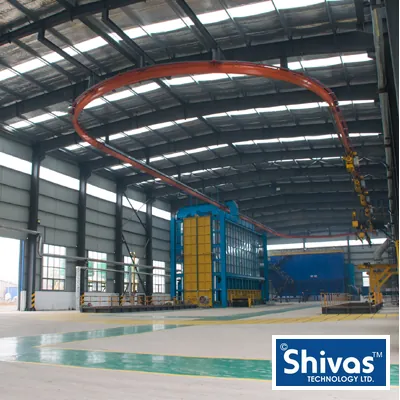 1 photo
ISO 1461 · IS 2629 · IS 4759coatings the plant is designed to meet
Single or double linestraight batch layouts
One designfurnace, line, fume and effluent designed together
Overview
A galvanizing plant earns its money in the zinc kettle and loses it everywhere else: in iron carried into the flux, in wet work that spits zinc, in a furnace that overheats one wall, in acid that is dumped too early. SHIVAS designs the whole plant as one process so those losses are engineered out before steel is cut.
We start from your article list and tonnage, fix the kettle size and the dip cycle, and build everything else around that cycle: the pretreatment line, the acid room, flux regeneration, dryer, furnace and burners, fume extraction, cranes, quench and passivation, controls, and the effluent and acid systems from SHIVAS Reinplast. You get one layout, one design, one commissioning team and one point of contact.
Why it pays
Flux regeneration, a proper dryer and even furnace heating reduce dross, ash and over-coating, the biggest controllable cost in the plant.
Acid enclosed room, lip extraction, scrubber and zinc fume filter are part of the design, not an afterthought for the pollution board.
PP-H, FRP and mild-steel tanks, ducting, scrubbers and structures are made in-house; bought-out items are specified and integrated by us.
We dry out the furnace, fill and heat the kettle, run the first loads with your team and hand over operating limits that protect the kettle.
Technical specification
Typical ranges. Every unit is sized to your duty; the offer carries the exact figures.
| Plant type | Straight batch (structures, solar, towers, crash barriers, pipes) or spin (fasteners) |
|---|---|
| Kettle | Length and width = largest article + 100 mm; depth = article height + 100 mm of zinc below + 100 mm empty at the top |
| Heating | Natural gas, LPG, LDO / furnace oil, or electric |
| Pretreatment | Open line or acid enclosed room; degrease, pickling, rinse, flux |
| Fume control | Acid fume scrubber with lip or room extraction; zinc fume enclosure and bag filter |
| Material flow | One-way flow with EOT cranes, transfer cars and jig stands |
| Effluent | ETP, acid regeneration or ZLD from SHIVAS Reinplast |
| Controls | PLC and SCADA for burners, temperatures, fume systems and logs |
Calculators
Work it out for your own plant. Every input is a typical value you can change and the results follow as you type; send the result to us and we reply with a proposal. For the whole plant and its running cost per tonne, use the plant calculator.
How it works
Batch HDG plant
Watch it run →A complete batch plant in plan. Jigs are loaded, pretreated inside the enclosed acid room, dried, dipped in the kettle under the zinc enclosure, quenched and passivated, then unloaded for dispatch. Fume from the acid room goes to the scrubber, kettle fume to the bag filter, flux runs through regeneration.
Main parts
- 1Jigging baySteel hung on jigs and loaded.
- 2DegreasingHot alkaline degrease.
- 3PicklingFour HCl tanks remove scale and rust.
- 4RinsingTwo rinses keep acid out of the flux.
- 5Fluxing + regenerationFlux kept clean by oxidation and filter press.
- 6Acid room + scrubberEnclosed room, extraction to a packed-bed scrubber.
- 7Dryer · 4 positionsRecirculating hot air dries the work before the dip.
- 8Kettle + zinc enclosureDip at about 450 °C under the enclosure.
- 9ZFE bag filterKettle fume captured and filtered.
- 10Quench & passivationCools the work and protects the fresh coating.
- 11Unloading & dispatchInspection, de-jigging and dispatch.
- 12Overhead cranesCranes carry jigs station to station.
At a glance
- Line
- Straight batch
- Pretreatment
- Enclosed acid room
- Fume
- Scrubber + bag filter
- Built
- Turnkey by SHIVAS
Options, build and uses
Options
- Double line with shared kettle or two kettles
- Spin galvanizing line beside a structural line
- Zinc ash recovery on site
- Heat recovery: flue gas to the dryer, quench heat to the flux
- Phased build: start with one line, add the second later
How we build it
- Layouts drawn in 2D and 3D before order
- Tanks, ducting and steelwork from our own shops
- Burners, cranes, pumps and PLCs from established makers, chosen and integrated by SHIVAS
Who it is for
- Job galvanizers
- Solar structure makers
- Transmission and telecom tower makers
- Crash barrier and highway steel
- Pipe, pole and fastener makers
What this plant is built from
In process order. Each one has its own page.
01 Material handlingGalvanizing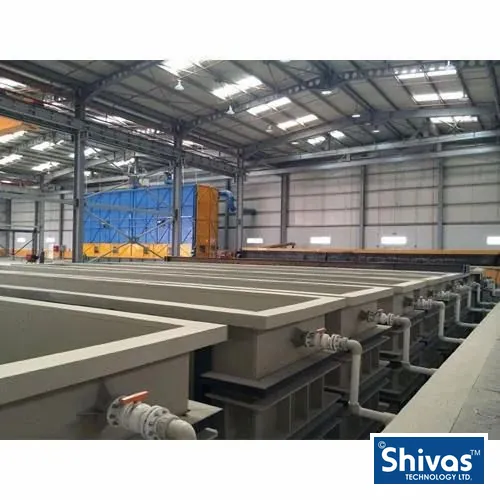 02 Pretreatment tanksGalvanizing · 2 photos
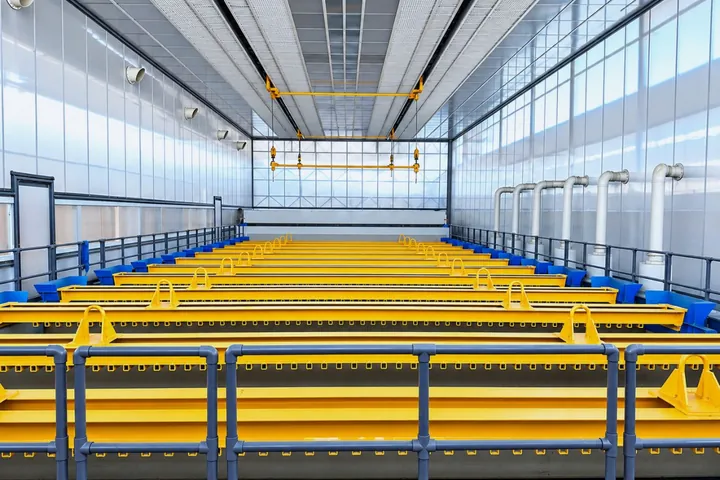 03 Acid enclosed roomGalvanizing · 1 photo
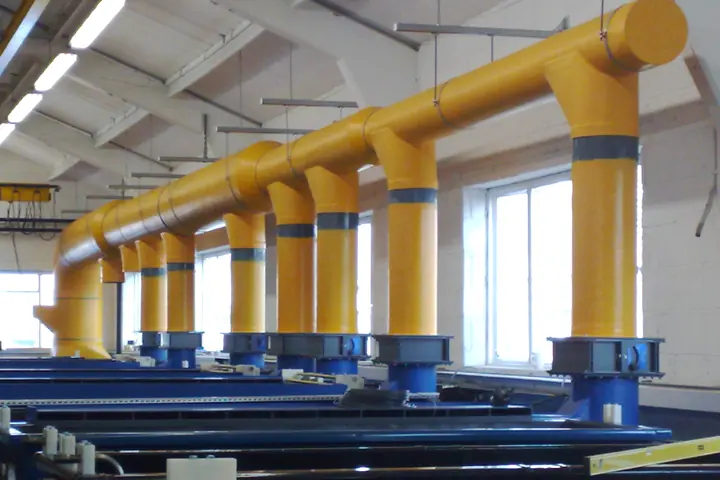 04 Acid fume extractionGalvanizing · 1 photo
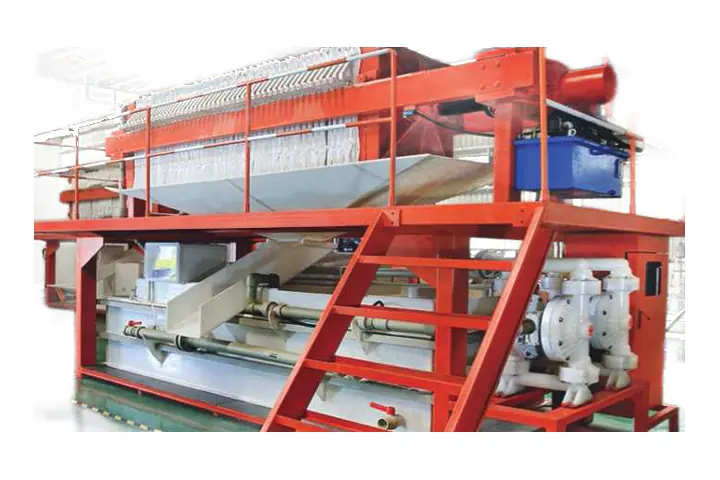 05 Flux regenerationGalvanizing · 3 photos
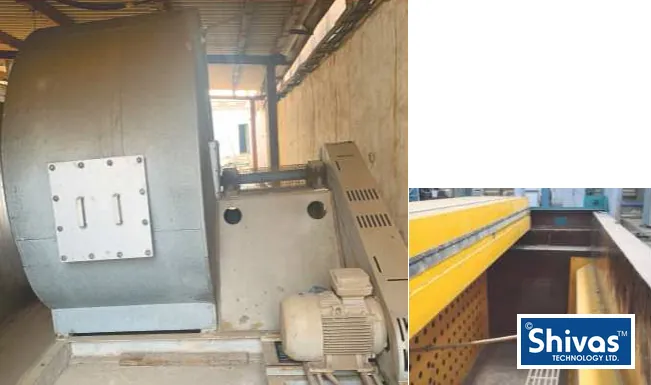 06 DryerGalvanizing · 1 photo
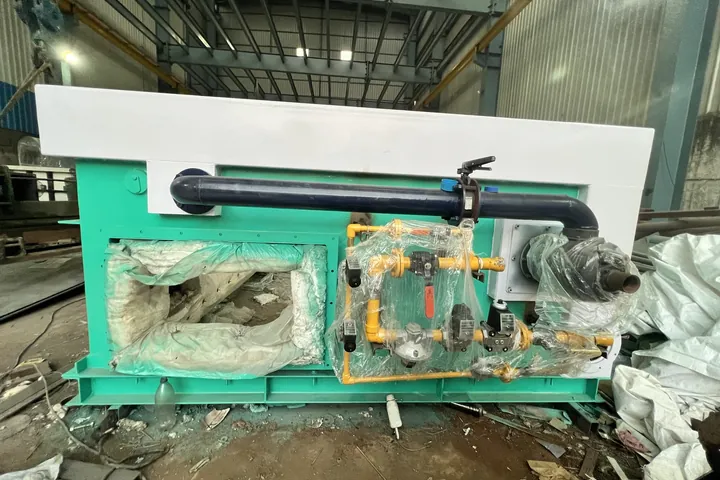 07 Galvanizing furnaceGalvanizing · 5 photos
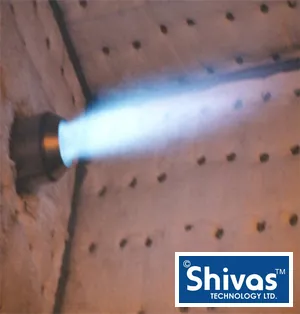 08 High-velocity burnerGalvanizing · 1 photo09 Dual fuel & gas trainGalvanizing · 2 photos
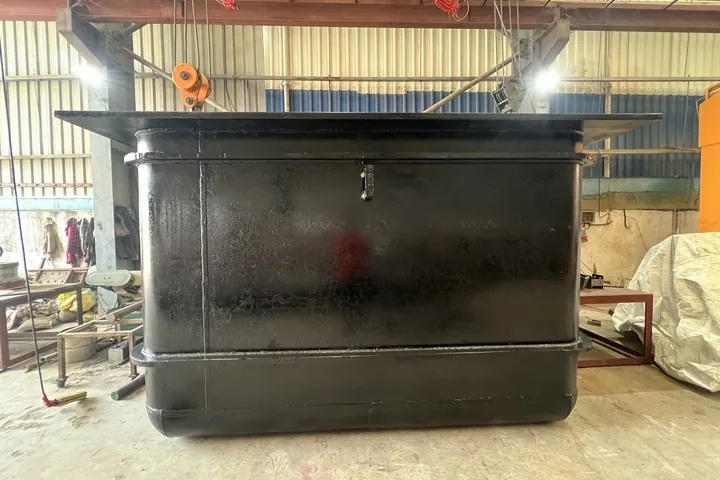 10 Zinc kettleGalvanizing · 17 photos
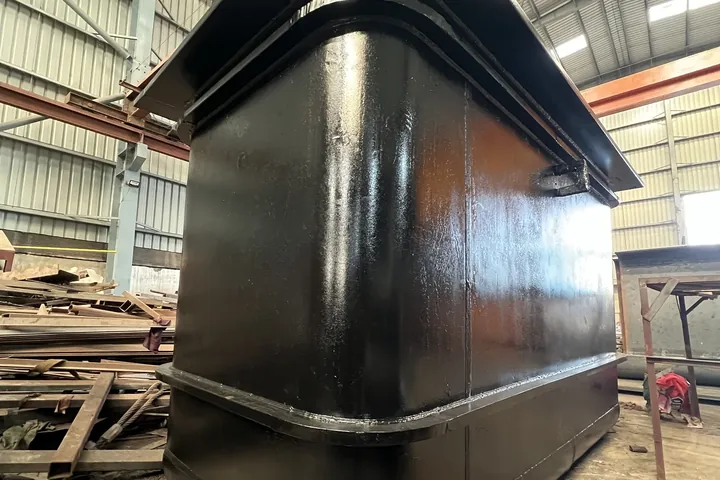 11 Kettle corner bendingGalvanizing · 2 photos12 Zinc enclosureGalvanizing13 Zinc fume extractionGalvanizing14 Dross grab & zinc pumpGalvanizing15 Zinc ash recoveryGalvanizing16 Quench & passivationGalvanizing17 Electric kettle furnaceGalvanizing18 Automation & controlGalvanizing19 ETP, ZLD & acid regenerationGalvanizing
02 Pretreatment tanksGalvanizing · 2 photos03 Acid enclosed roomGalvanizing · 1 photo04 Acid fume extractionGalvanizing · 1 photo05 Flux regenerationGalvanizing · 3 photos06 DryerGalvanizing · 1 photo07 Galvanizing furnaceGalvanizing · 5 photos08 High-velocity burnerGalvanizing · 1 photo09 Dual fuel & gas trainGalvanizing · 2 photos10 Zinc kettleGalvanizing · 17 photos11 Kettle corner bendingGalvanizing · 2 photos12 Zinc enclosureGalvanizing13 Zinc fume extractionGalvanizing14 Dross grab & zinc pumpGalvanizing15 Zinc ash recoveryGalvanizing16 Quench & passivationGalvanizing17 Electric kettle furnaceGalvanizing18 Automation & controlGalvanizing19 ETP, ZLD & acid regenerationGalvanizing3D model
Open the interactive 3D →Computer model from a real SHIVAS project. It shows the arrangement; it is not a photo.
From our engineers
Questions buyers ask
How long does a new plant take?
It depends on size and civil work. Kettle and furnace are usually the longest items; we give a programme with the offer once the layout is fixed.
Can you upgrade an existing plant instead?
Yes. Many projects start with the furnace, flux regeneration or fume control, which pay back quickest.
Do you supply only equipment, or erect it too?
Both. We can supply, erect and commission, or supervise your contractor.
Enquiry · Turnkey galvanizing plant
Get a quote
Tell us the capacity, sizes and site. We reply with a scheme, a layout and an offer.
What we need for your quote
- Article list with longest, widest and tallest items
- Target tonnes per month and shifts
- Fuel available and its price
- Site plot, shed size and crane height
- Local pollution-control conditions