Running the zinc bath: temperature, additions, dross and ash
The kettle is the most expensive item in the plant and the bath is most of the running cost. Daily habits that keep both healthy.
Temperature
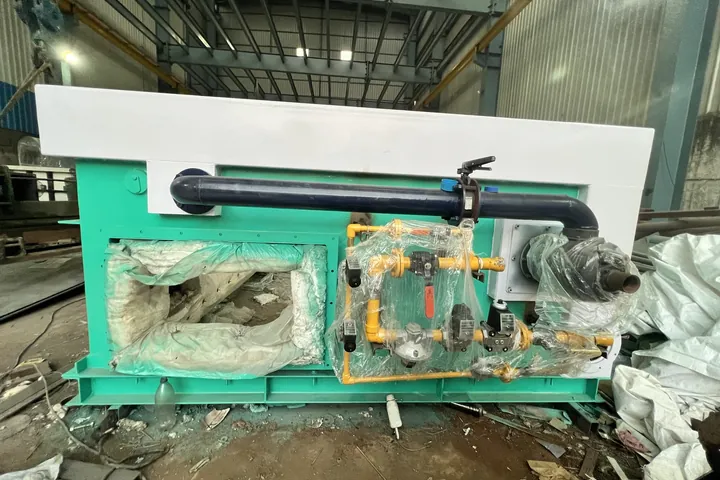
Hold the bath steady, usually at about 445 to 455 °C. Temperature swings stir up dross and change coating thickness. Just as important is the kettle wall: zinc attacks steel much faster above about 480 °C, so the furnace must spread heat evenly and never overheat one area of the wall. Wall thermocouples and burner control do that.
Bath additions
| Addition | Why it is used | Watch out for |
|---|---|---|
| Aluminium (a few thousandths of a per cent) | Brighter finish, less oxidation at the surface | Too much reacts with flux and gives bare spots |
| Nickel (a few hundredths of a per cent) | Calms reactive steel in the Sandelin range | Adds to dross if overdosed |
| Bismuth | Better drainage and thinner, smoother pure zinc layer | Follow supplier dosing |
| Lead (older practice) | Drainage | Now limited for environmental reasons |
Have the bath analysed regularly and add to targets, rather than by habit.
Dross
Iron in the bath forms dross, which settles on the floor. Remove it regularly with a dross grab before the layer builds up close to where the work is dipped. Less iron in means less dross: rinse well after pickling and keep iron low in the flux.
Ash
Skim ash from the surface often, especially at the withdrawal point. Ash is mostly zinc; collect it dry and recover it, in-house or by sale.
Fume
The flux burning off at the kettle makes a white fume of ammonium and zinc chlorides. A zinc enclosure with fume extraction to a bag filter keeps the shed clear and meets the emission limits.