Pickling right: acid strength, iron and temperature
Most coating defects start before the steel reaches the zinc. How to run hydrochloric acid pickling so it is fast, clean and cheap.
Zinc only reacts with clean steel. Mill scale, rust, oil and paint left on the surface show up as bare spots, rough patches and rejected loads. Pretreatment, and pickling in particular, decides whether the kettle can do its job.
Degrease first
Acid does not remove oil and grease. Oily steel goes through the pickling tank untouched and comes out with uncoated patches. An alkaline or acid degreasing bath at the right temperature, followed by a rinse, protects both the pickling acid and the coating.
Acid strength and iron
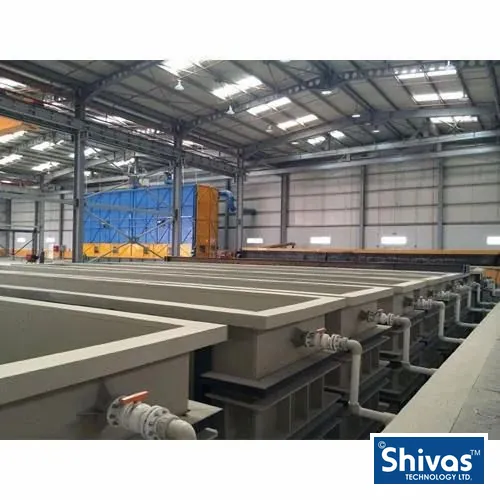
Hydrochloric acid is normally made up at around 12 to 16 per cent. As it works, it dissolves iron and turns into iron chloride. Free acid falls, iron rises, and pickling slows down. There comes a point, typically when iron chloride is high and free acid low, where adding fresh acid no longer brings the bath back, and the bath is spent.
- Measure free acid and iron regularly, not just by how fast the steel cleans.
- Top up acid to keep free acid in range rather than waiting for pickling to slow down.
- Keep a separate tank for stripping zinc from rejected work; zinc in the pickling acid causes problems downstream and complicates acid recovery.
- Use inhibitors to reduce attack on clean steel and hydrogen pick-up.
Temperature
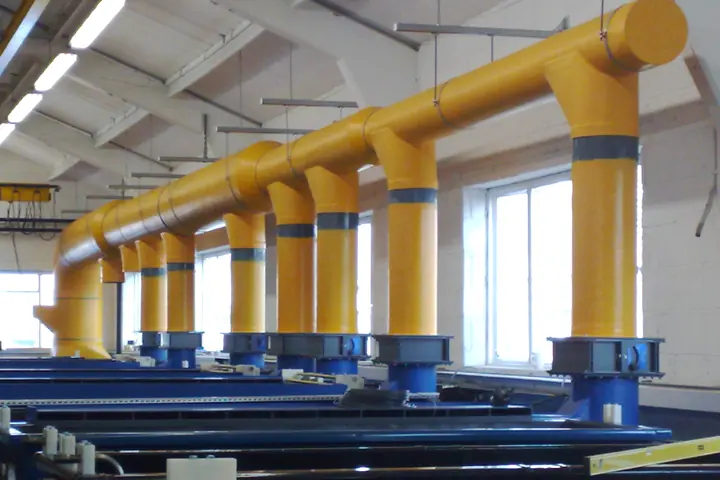
Hydrochloric acid pickles well at room temperature and a little above. Heating speeds it up but increases fume sharply, which corrodes the plant and the people around it. Most plants pickle at ambient to about 30 °C; anything warmer needs good extraction or an enclosed acid room.
Rinse, then flux
Every litre of acid carried into the flux brings iron with it, and iron in the flux becomes dross in the kettle. Good drainage over the pickling tank and an effective rinse are cheap ways to save zinc. Cascaded rinsing saves water as well.
The spent acid
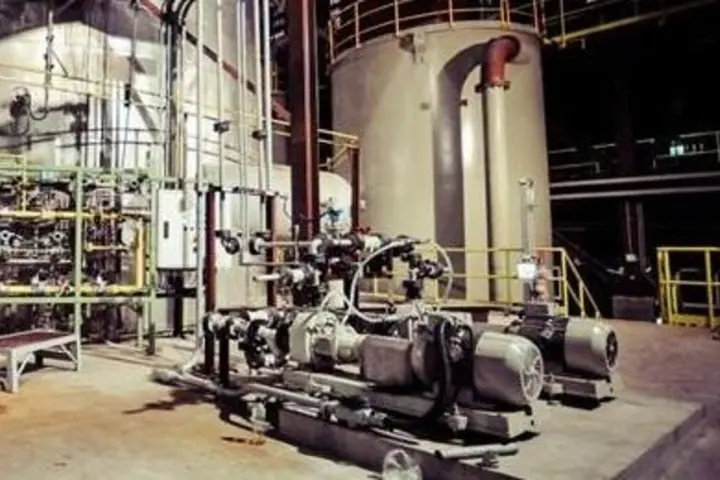
Spent acid is a cost, an environmental liability and, handled well, a resource. Options range from neutralisation in an effluent treatment plant to recovery of free acid and full regeneration, which turns iron chloride back into acid and iron oxide. Which suits you depends on volume, local disposal costs and space.