Gas, oil or electric: choosing your galvanizing furnace fuel
You buy the kettle once, but you buy fuel every hour the plant runs. What gas, oil and electric heating each mean for cost per tonne, control and kettle life.
Over the life of a galvanizing plant, the fuel bill dwarfs the price of the furnace that burns it. The fuel you choose sets your cost per tonne, how finely you can control the bath, and how long the kettle lasts. It deserves more thought than it usually gets.
What the furnace has to do
Hold a steel kettle full of zinc at about 450 °C, put heat back in as fast as dipping takes it out, and spread that heat so no patch of kettle wall works harder than the rest. Kettle life is set by the hottest patch of wall, not by the average, so evenness of firing matters as much as the fuel itself.
Natural gas and LPG
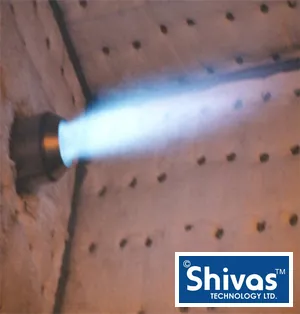
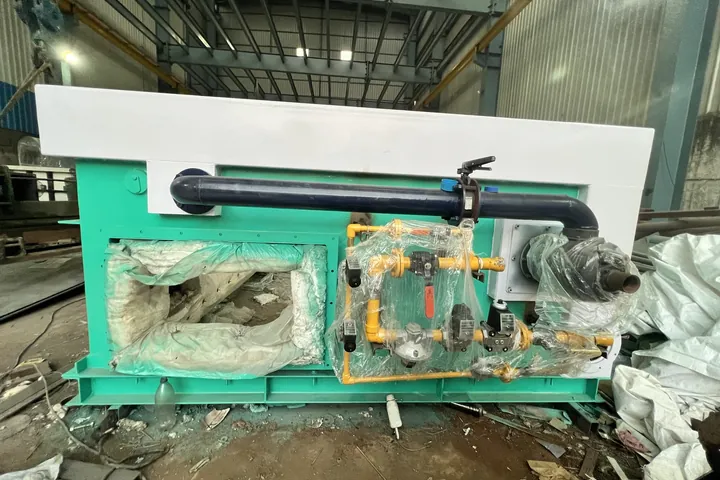
A gas flame is clean and easy to trim, and it suits high-velocity and pulse-fired burners, which stir the furnace gases and even out the wall temperature. There is no fuel to store, heat or filter, and no soot on the flues. Where piped gas reaches the site, it is usually the first choice. LPG burns in the same burners and keeps the same control, at a higher price and with storage rules to meet.
Oil
Diesel and furnace oil are available everywhere, and that is their great virtue. Furnace oil must be heated to pump and atomise, burners and filters need regular cleaning, and sulphur in the flue gas attacks cold spots in ducting. An oil flame is long and luminous, so wall temperatures want closer watching. Run well, an oil-fired furnace galvanizes perfectly good steel; it simply asks for more maintenance and closer attention than gas.
Electric
Electric elements around the kettle give steady, even radiant heat with no flame, no flue and no combustion air. That is kind to the kettle wall, quiet, and clean inside the shed. Control is as fine as it gets. The question is the tariff: where power is costly or drops out, the sums change quickly. Electric heating suits smaller kettles, spin galvanizing and wire plants especially well.
Comparing cost per tonne
- Compare fuels on energy per tonne of steel dipped, never on price per litre or per unit.
- Dry the work before it reaches the kettle: evaporating water in the bath is the dearest way to boil water. See drying before the kettle.
- Insulate the furnace well and use the flue heat, for the dryer or the flux tank, before it goes up the stack.
- Count the idle hours. A furnace holding temperature overnight burns fuel while earning nothing, and a well-insulated furnace holds with far less.
The plant calculator works the fuel sum through for your own tonnage and products.
Deciding
Take gas where it reaches the site. Weigh electric seriously for smaller kettles and good tariffs. Take oil where nothing else is dependable, and maintain it like you mean it. If gas is coming to your area in a few years, choose burners that can convert, and leave room for the gas train.