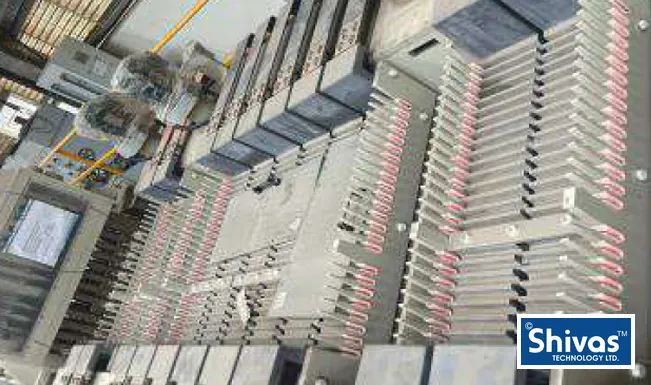
Balanced line.
SHIVAS Reinplast · Wire pretreatment lines
Continuous galvanizing line
Turnkey lineContinuous hot-dip galvanizing lines for wire: payoff to take-up, multi-strand.
- Wire: Hard or Soft · annealed
- Take-up: Coilers or Spoolers
Multi-strandmany wires together
Pretreatment to take-upone design
Controlled coatingwiping
Overview
A continuous galvanizing line takes wire from payoffs through cleaning and fluxing into the zinc bath, wipes the coating, cools it and takes it up. SHIVAS designs the pretreatment with SHIVAS Reinplast and the bath and take-ups with SHIVAS Technology.
Line speed and strand count set the zinc bath length and the furnace rating; payoffs, cleaning, fluxing and take-ups are matched to the same speed. Wiping method sets the coating class. Inline drawing ahead of the line can save a separate drawing step.
Why it pays
Steady speeds.
Technical specification
Typical ranges. Every unit is sized to your duty; the offer carries the exact figures.
| Strands | Typically 8 to 40 |
|---|---|
| Bath | Long shallow pot |
| Take-ups | Horizontal |
Every stage of the line
In order from the coil going in to the coil coming out. Watch it run in the wire lines section.
- Pay-off
- 1Pay-off standsTechnology
One pay-off per strand, overhead or rotating, with coil-end detection so a strand can be changed while the line keeps running.
- Per strand
- One coil
- Changeover
- Strand by strand
- Build
- Fabricated steel stands
- Pretreatment
- 2Annealing furnaceTechnologyOption: Soft · annealed
Lead-free annealing softens hard-drawn wire to the tensile the customer orders, ahead of cleaning.
- Temperature
- ≈ 700–850 °C
- Type
- Open-fire or induction, lead-free
- Built by
- SHIVAS Technology
- 3Water quenchReinplastOption: Soft · annealed
Cools the wire out of the furnace and loosens surface oxide before it reaches the acid.
- Medium
- Recirculated water
- Build
- PP-H trough, spray header
- 4Alkaline degreasingReinplast
Hot alkaline cleaner strips drawing soap and oil. Without it, the acid can’t reach the steel and the flux won’t wet.
- Chemistry
- Caustic-based cleaner
- Temperature
- 60–80 °C
- Option
- Electrolytic, for higher speeds
- Build
- PP-H tank, PTFE heating, oil skimmer
- 5Hot rinseReinplast
Stops alkaline cleaner from dragging into the acid.
- Temperature
- 50–60 °C
- Overflow
- To ETP
- Build
- PP-H tank
- 6Fumeless HCl picklingReinplast
Hydrochloric acid takes off rust and scale. The tank runs under a close-fitting FRP lid with a water seal and slot extraction, so the fume goes to the scrubber and never reaches the shop.
- Chemistry
- HCl 12–18 % + inhibitor
- Temperature
- Ambient to 35 °C
- Spent acid
- Bled to acid regeneration
- Build
- PP-H tank, FRP lid, water seal
- 7Cascade rinseReinplast
Two or three counter-flow stages with a spray at the exit. Clean water enters only at the last stage, so water use stays low and the overflow goes to the ETP.
- Stages
- 2–3, counter-flow
- Overflow
- To ETP or acid make-up
- Build
- PP-H tanks, PP spray headers
- 8FluxingReinplast + Technology
Zinc ammonium chloride wets the clean steel so zinc bonds on contact. A flux regeneration unit keeps iron out of the bath.
- Chemistry
- ZnCl₂ · NH₄Cl
- Temperature
- 60–75 °C
- Iron
- Held low by flux regeneration
- Build
- PP-H tank, PTFE heating
- 9DryerTechnology
Dries the flux film before the bath. Dry, warm wire means less splash and less zinc ash.
- Temperature
- ≈ 120–180 °C
- Heat
- Flue gas from the bath furnace
- Built by
- SHIVAS Technology
- Coating
- 10Zinc bathTechnology
Wire runs under sink rolls through molten zinc and leaves with a bonded zinc–iron alloy coat.
- Bath
- ≈ 445–455 °C
- Kettle
- Steel kettle, gas or electric fired
- Fume
- Hood + ZFE over the bath
- Built by
- SHIVAS Technology
- 11WipingTechnology
Nitrogen or pad wiping where the wire leaves the bath sets the coating weight.
- Method
- N₂ jet or pad
- Coating
- Light to heavy class
- Post-treatment
- 12Water quenchReinplast
Freezes the coating and stops the alloy layer from growing.
- Medium
- Cooled, recirculated water
- Build
- PP-H trough
- 13PassivationReinplast
A chrome-free passivate or wax film keeps white rust off coils in storage and transit.
- Chemistry
- Chrome-free passivate / wax
- Build
- PP-H tank, dosing pump
- Take-up
- 14CoilersTechnology
A coiler for each strand, inverted vertical or dead block, building tight, heavy coils on carriers while the line keeps running.
- Package
- Coils on carriers
- Type
- Inverted vertical / dead block
- Drive
- AC inverter, PLC synced
Around the line
- Fume scrubber + FRP blower ReinplastLids on the degreasing, pickling and flux tanks pull to a packed-bed scrubber, FRP blower and chimney.
- Acid regeneration ReinplastSpent HCl is turned back into fresh acid and iron oxide.
- Flux regeneration Reinplast + TechnologyTakes iron out of the flux continuously.
- ETP + ZLD ReinplastRinse overflow is treated and the water goes back to the line.
- Zinc fume extraction TechnologyHood and ZFE over the bath.
Options, build and uses
Options
- Annealing
- Fumeless pickling
How we build it
- Built by SHIVAS Technology and SHIVAS Reinplast
Who it is for
- Galvanized wire makers
What this plant is built from
In process order. Each one has its own page.
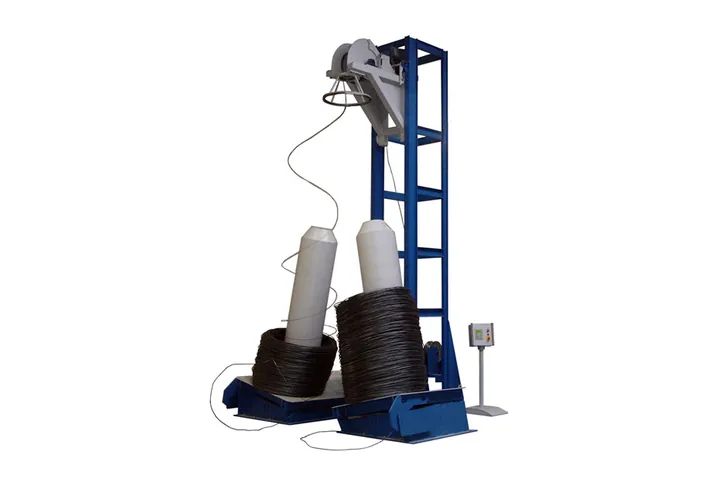 01 PayoffsWire drawing · 3 photos
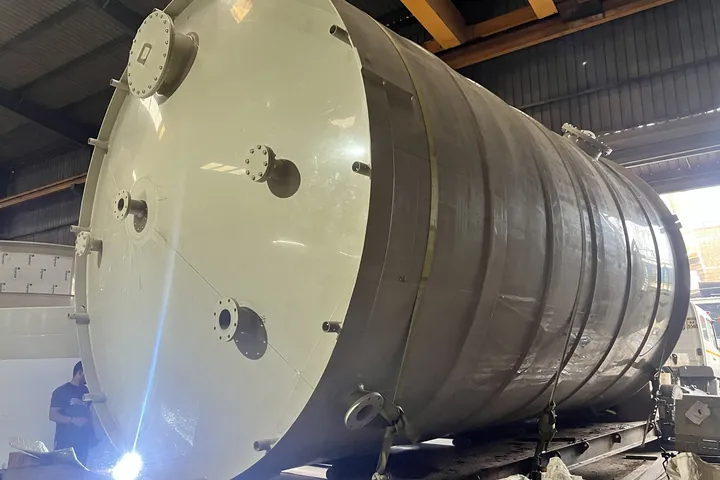 02 PP & PP-H process tanksSHIVAS Reinplast · 24 photos
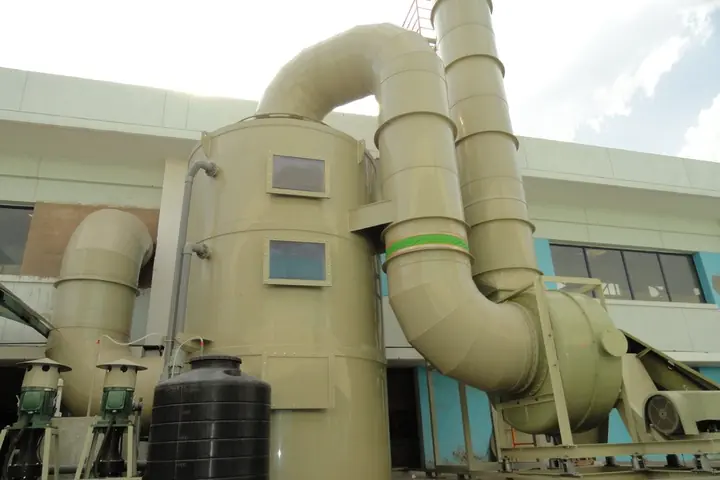 03 Fume scrubbers & extractionSHIVAS Reinplast · 12 photos
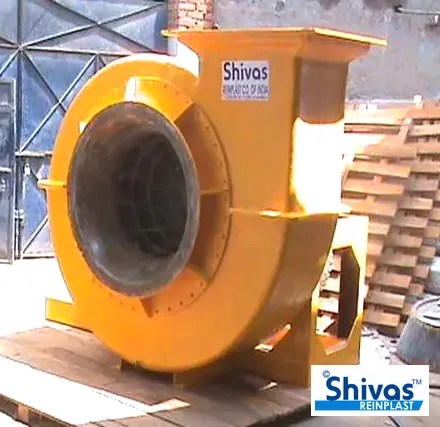 04 FRP blowersSHIVAS Reinplast · 2 photos
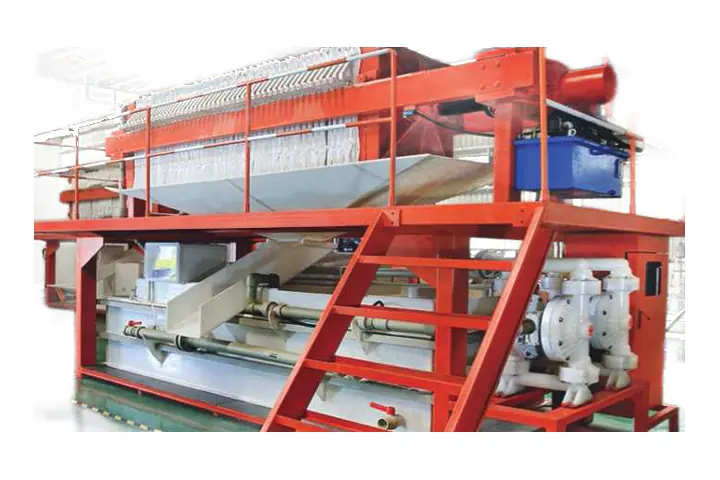 05 Flux regenerationGalvanizing · 3 photos
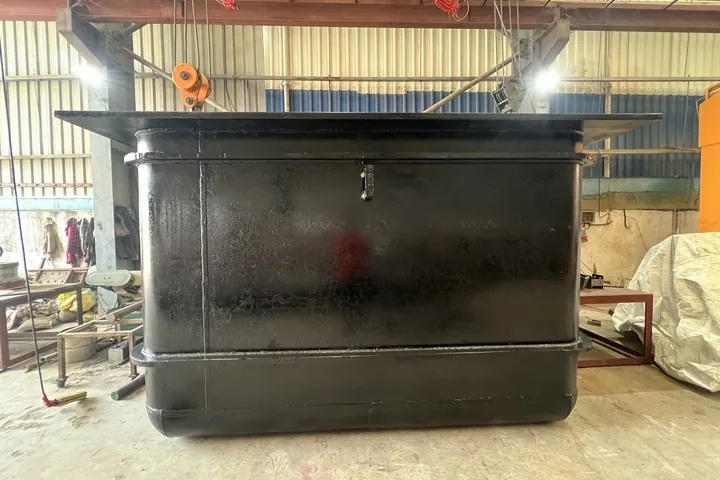 06 Zinc kettleGalvanizing · 17 photos
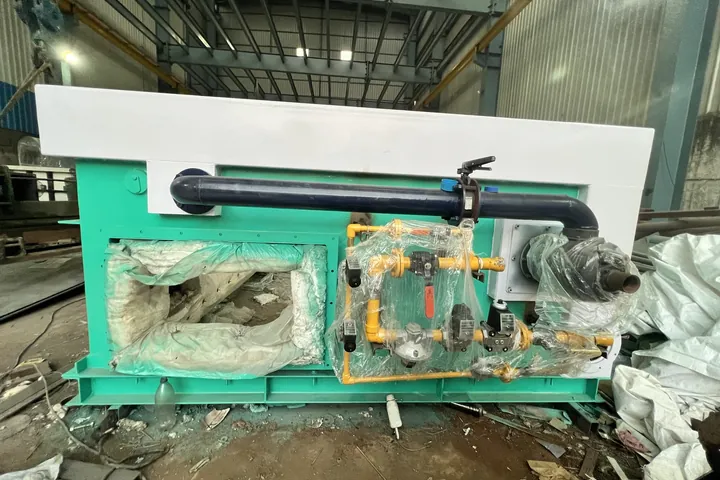 07 Galvanizing furnaceGalvanizing · 5 photos08 Zinc fume extractionGalvanizing
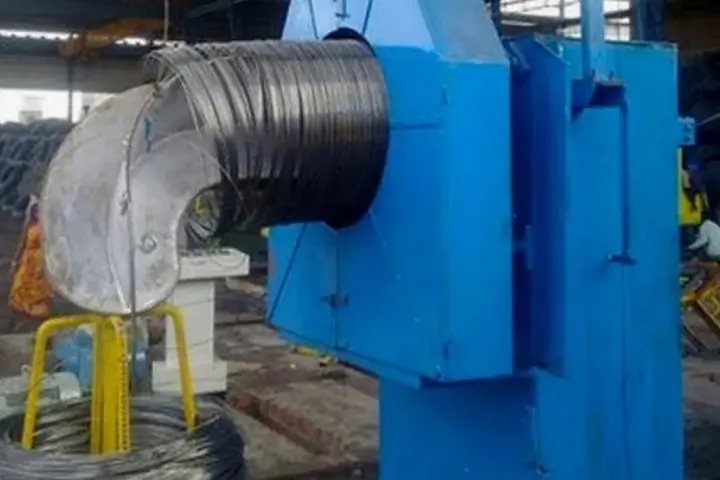 09 Dead block coilerWire drawing · 3 photos10 SpoolersWire drawing11 Effluent treatment plantsSHIVAS Reinplast
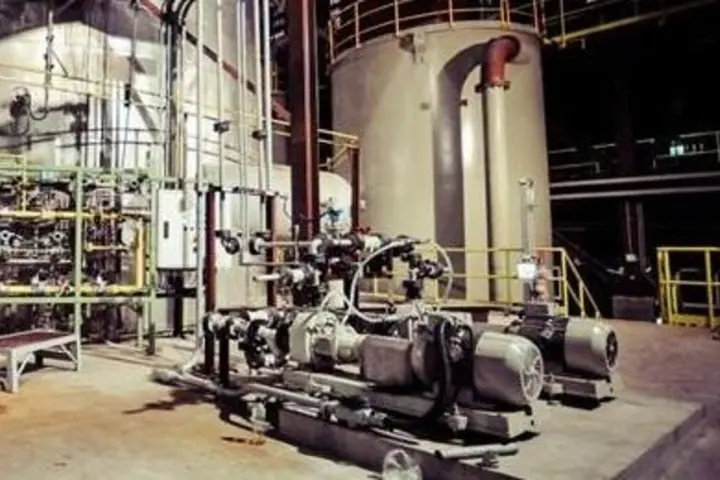 12 Acid regeneration & recoverySHIVAS Reinplast · 1 photo
Part of
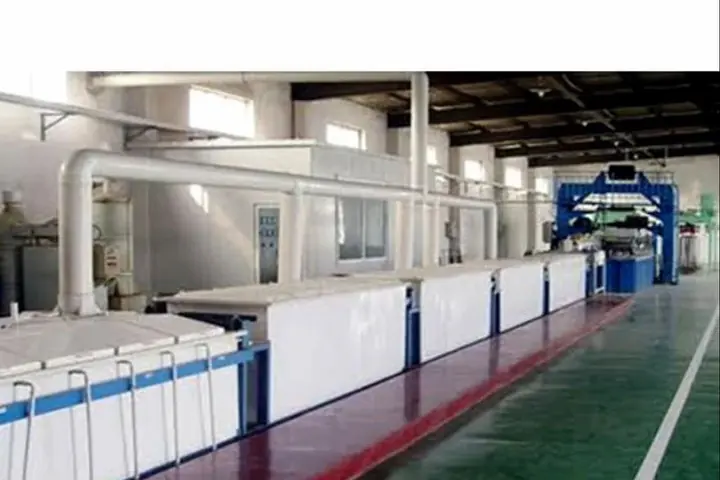
3D model
Computer model from a real SHIVAS project. It shows the arrangement; it is not a photo.
Questions buyers ask
Can it include drawing?
Inline drawing is possible.
From our engineers
Practical notes from the engineers who design and build these plants.
- Galvanized wire: from drawn wire to zinc-coated coilWire lines · 3 min read
- Acid fume from pickling: hoods, the packed scrubber and the blowerFume control · 2 min read
- Heat in wire drawing: wire temperature, cooling and strain ageingWire drawing · 3 min read
- Fumeless pickling for wire: keeping the acid inside the tankWire lines · 2 min read
Enquiry · Continuous galvanizing line
Get a quote
Tell us the capacity, sizes and site. We reply with a scheme, a layout and an offer.
What we need for your quote
- Strands, sizes, coating, output