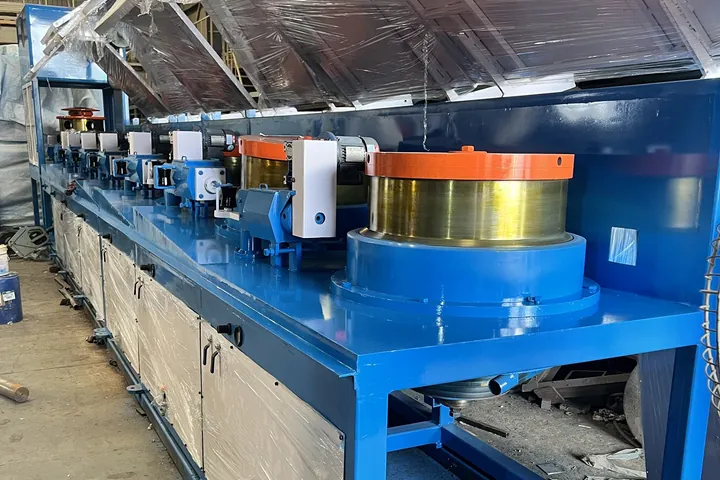
Planning a wire drawing line: from rod size to tonnes a month
How to size a wire drawing line from the products you sell: output per hour at the finishing speed, the number of dies, machines and take-ups, and the services.
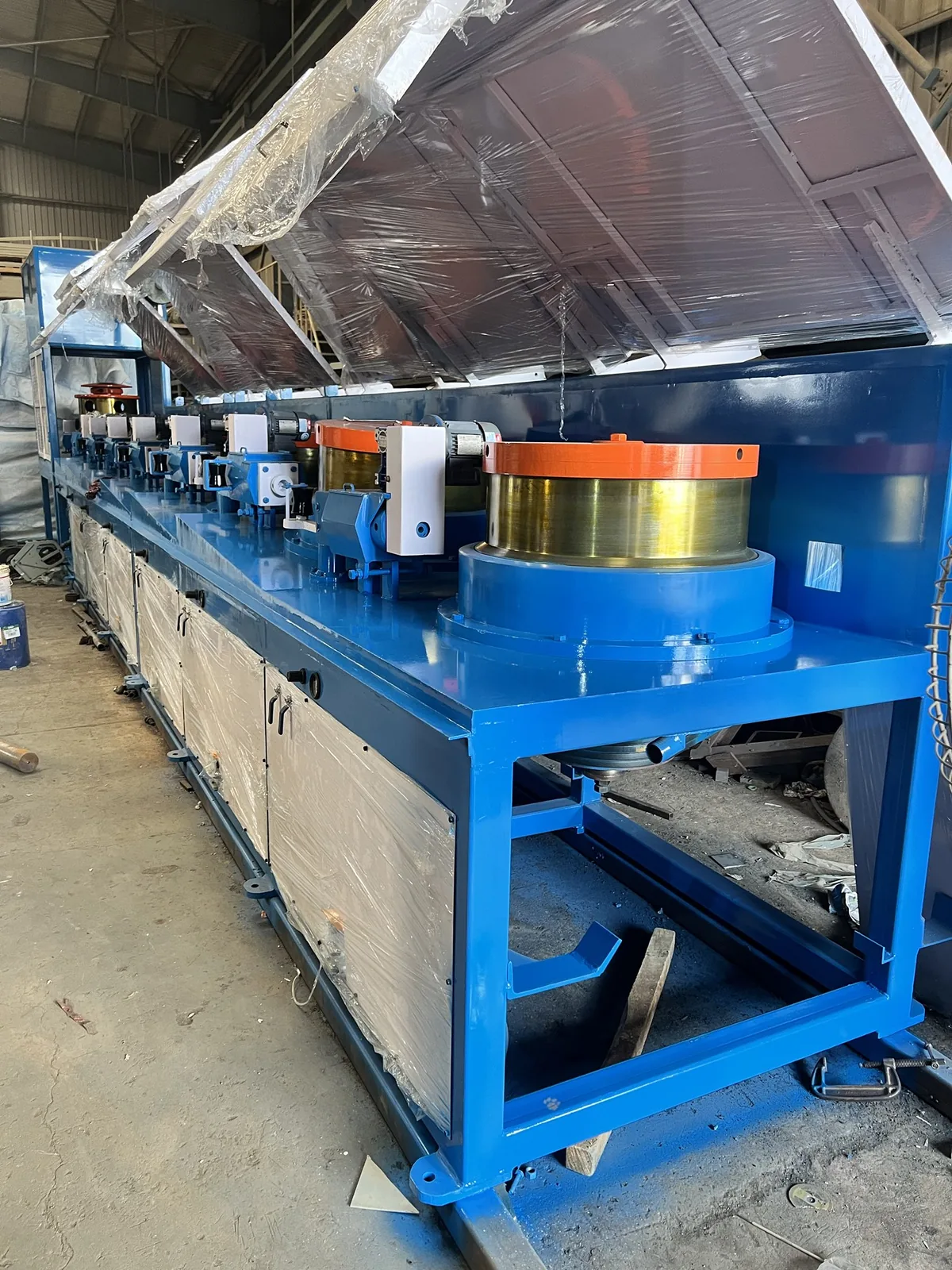
A wire drawing plant is planned backwards, from the wire you sell to the machines that make it. The finishing size and speed set the output of each machine. The rod and the reduction per die set its number of blocks. The coil or spool the customer wants sets the take-up, and the tonnes a month set how many lines you need.
Start from the product mix
- Finished sizes and grades, low, medium or high carbon, and what the wire is for.
- Tonnes a month for each size.
- How the customer wants it: heavy coils from a dead block coiler, spools, or wire going straight on to galvanizing or a mesh machine.
- The surface: bright, or prepared for coating.
Output of one machine
A machine's output is the weight of one metre of finished wire times the finishing speed:
kg per hour = kg per metre × speed in m/s × 3,600
Real lines stop for coil changes, breaks and die changes, so plan with a utilisation, 80 per cent being a reasonable starting figure, and the hours you will actually run.
| Finished size | kg per km | Example speed | kg/h at full speed | t a day at 20 h and 80 % | t a month at 26 days |
|---|---|---|---|---|---|
| 4.0 mm | 98.6 | 8 m/s | 2,841 | 45.5 | 1,182 |
| 3.15 mm | 61.2 | 10 m/s | 2,202 | 35.2 | 916 |
| 2.5 mm | 38.5 | 10 m/s | 1,387 | 22.2 | 577 |
| 2.0 mm | 24.7 | 12 m/s | 1,065 | 17.0 | 443 |
| 1.6 mm | 15.8 | 15 m/s | 852 | 13.6 | 355 |
The speeds are examples for the arithmetic, not machine ratings: the right speed depends on the grade, the cooling and the take-up. At the same speed, output falls with the square of the size, which is why fine wire needs faster machines, or more of them, for the same tonnage.
How many dies
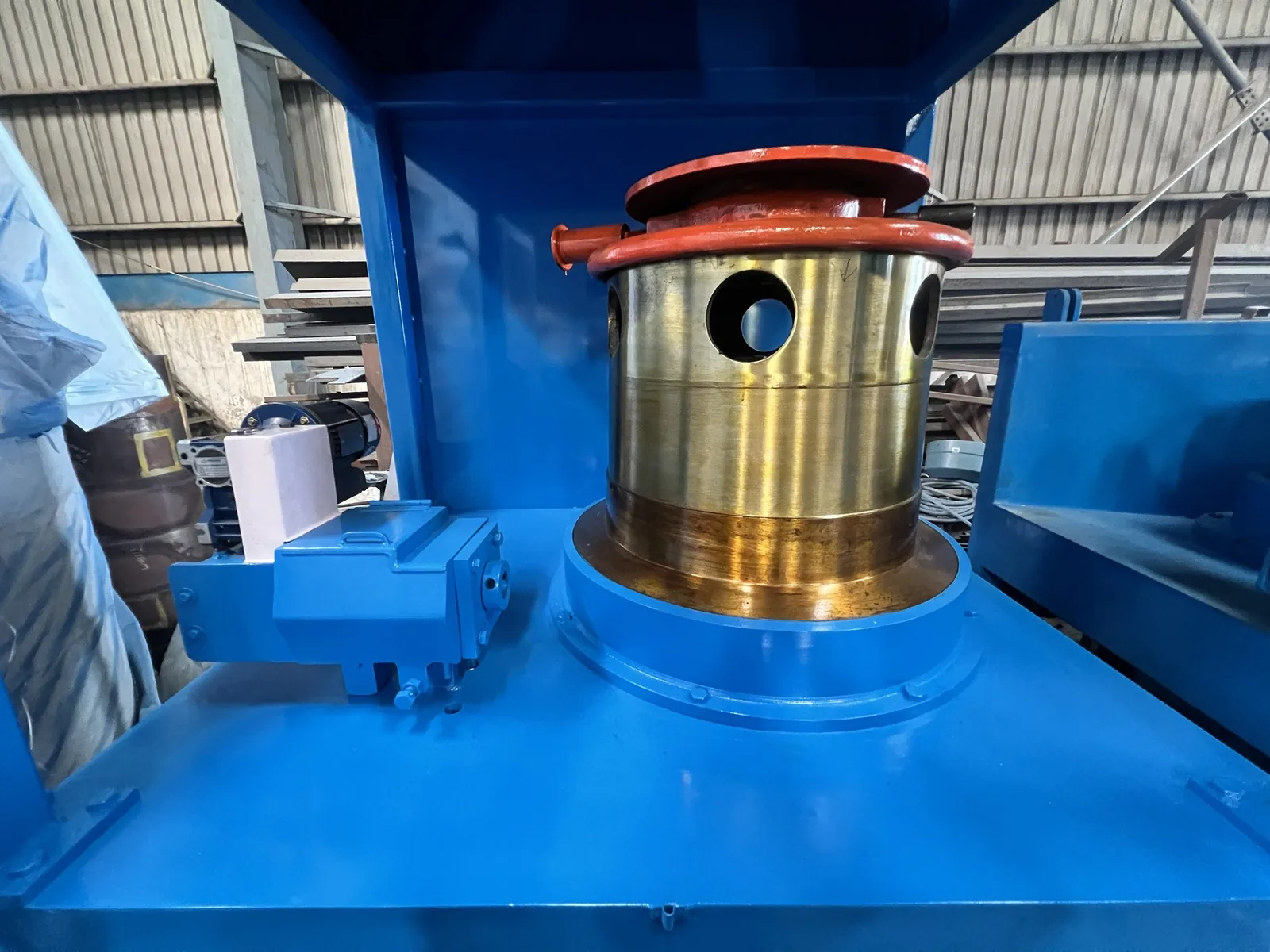
The number of dies follows from the total reduction and the largest reduction each die can take. From 5.5 mm rod to 2.5 mm the area falls to about a fifth; at up to 25 per cent a die that is 5.5 passes, so six dies. High-carbon wire, at about 20 per cent a die, needs more. A machine with one or two blocks more than today's product needs can draw finer sizes later without a new machine. The wire calculator works out the dies, the size after each, the speed of every block and the motor for each.
Around the drawing machine
- Payoff for the rod coils, ideally with room to load the next coil while the line runs.
- Descaling: a mechanical descaler with brushing, or pickling, and a coating on the rod to carry the soap. See preparing rod for drawing.
- Pointing machine and butt welder, to start new rod and join coils.
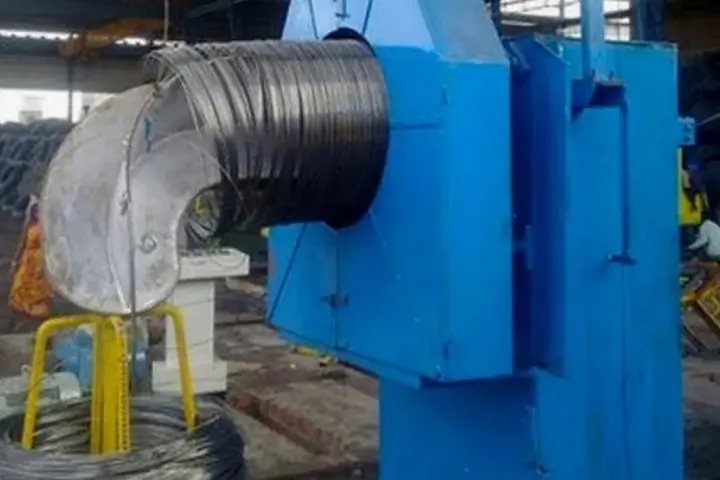
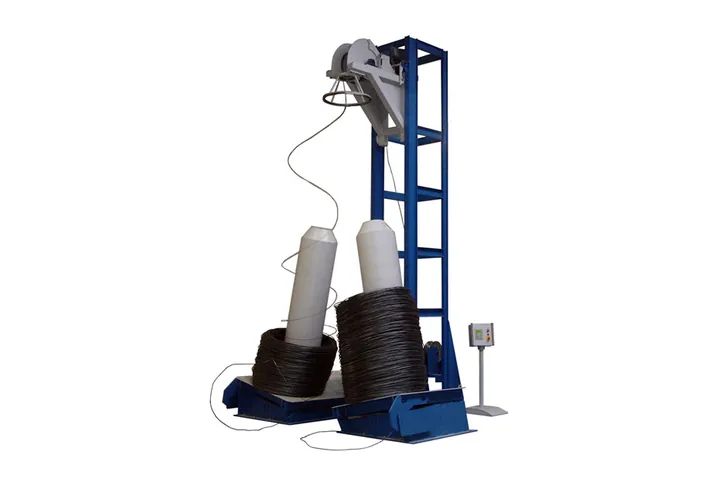
- Take-up: a dead block coiler for heavy coils, a spooler for spools, or a vertical coiler.
- Coil handling: cranes, trolleys and space for full and empty coils.
Balancing the plant
For one size the arithmetic is direct: 1,000 t a month of 2.5 mm wire, at 577 t a month per machine, needs two machines. With several sizes, add up the machine hours each size needs at its own speed, and compare them with the hours available. A plant drawing many sizes may be better served by a breakdown machine from rod to an intermediate size, feeding finer machines.
Services
- Electrical supply for the sum of the block motors and auxiliaries.
- Cooling water for blocks and dies, with a cooling tower and water treatment.
- Compressed air for pneumatics and the coiler.
- Foundations, crane capacity for full coils, and floor space for rod and finished coils.
What to send for a quote
- Rod size and grade, and the rod supplier if known.
- Finished sizes, and tonnes a month for each.
- Coil or spool form and weight.
- The speed you are aiming for, and the space and power available.